
A new TLD registrar program should help registrars turn an extension into a reliable customer offer. For .fans, that means more than technical access. It means product positioning, catalog placement, API readiness, support training, policy awareness, partner enablement, and customer activation. The program should help registrars offer .fans in a way that is accurate, practical, and easy for buyers to understand.
ICANN provides information about becoming an accredited registrar, while individual TLD channels may also involve registry-specific onboarding, agreements, technical readiness, and commercial planning. This article focuses on program planning for a .fans launch and avoids making claims about exact prices, approval timelines, or program terms that must be confirmed through official channels.
Define the Program Purpose
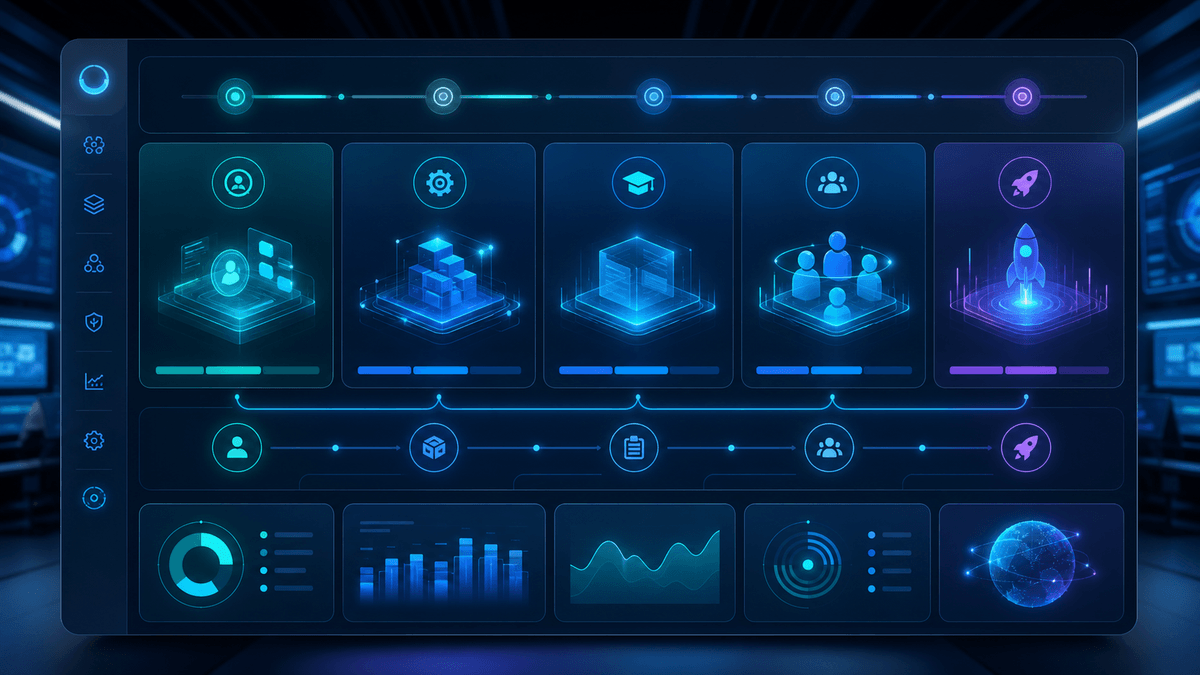
A new TLD registrar program needs a clear purpose. Is the goal to onboard accredited registrars? Expand reseller access? Prepare agencies and creator networks? Support co-marketing with entertainment teams? Improve technical readiness? Each purpose changes the program design.
For .fans, the purpose should connect to fan-first domain use cases. The program should help channel partners understand how the extension can support creator hubs, official fan pages, campaign sites, event pages, merch destinations, membership spaces, and community updates.
Separate Accreditation from Launch Readiness
Registrar accreditation and TLD launch readiness are related but not identical. Accreditation may establish that a registrar can operate in the broader domain ecosystem. Launch readiness asks whether that registrar can list, explain, sell, support, and promote a specific extension responsibly.
For .fans, launch readiness should include product copy, integration testing, pricing display rules, premium handling, policy references, support training, campaign guardrails, and post-purchase setup guidance. A registrar can be technically eligible and still need work before the customer experience is ready.
Build a Program Checklist
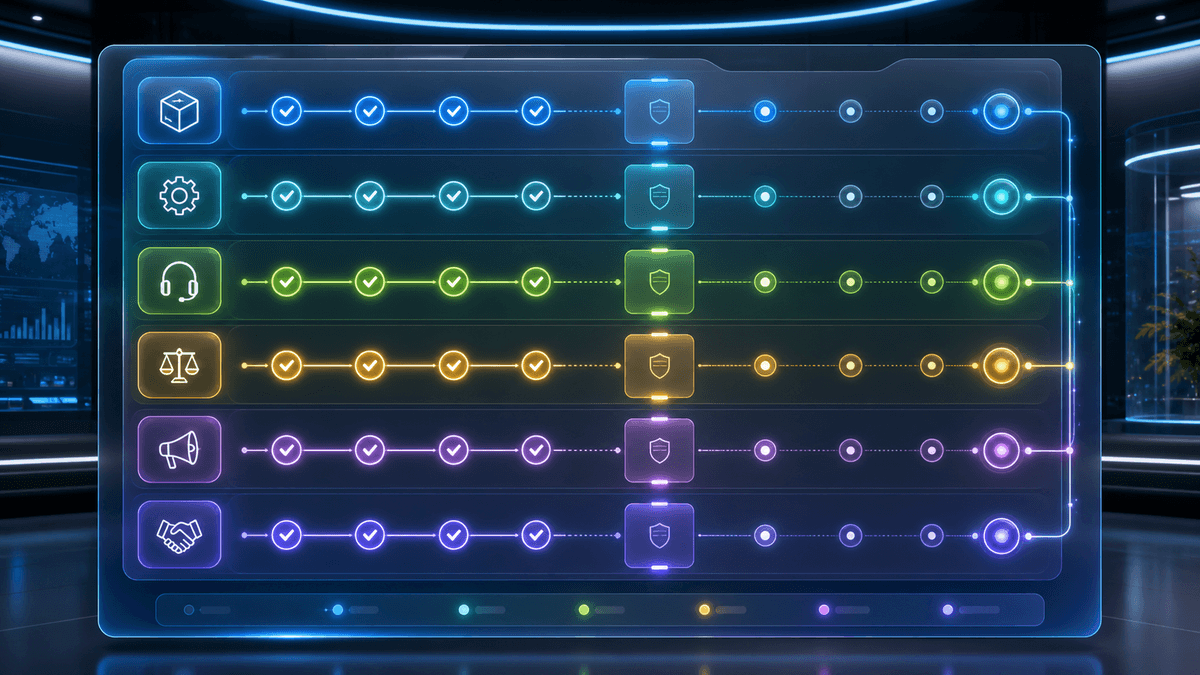
A checklist keeps the program operational. It should be shared across product, engineering, support, legal, marketing, partner, and commercial teams. The checklist should not be a bureaucratic burden. It should answer one question: can customers search, register, understand, activate, and support .fans domains without avoidable confusion?
- Confirm official .fans positioning and approved internal links.
- Review registrar agreement and onboarding requirements through official channels.
- Configure search, catalog, pricing, premium, and checkout behavior.
- Test registration, renewal, transfer, DNS, and status handling workflows.
- Prepare support routing for account, DNS, WHOIS/RDAP, abuse, and policy questions.
- Create brand-safe campaign and partner materials.
- Define launch metrics such as activation, support load, and renewal clarity.
Connect Technical and Customer Workflows
New TLD programs can become too technical if teams focus only on provisioning. Technical readiness matters, but the customer sees the entire journey. A .fans program should connect registry integration, registrar APIs, search results, checkout, customer emails, DNS setup, and support tools.
ICANN's EPP status code resources can help internal teams understand lifecycle status language. Customer-facing content should translate that into plain next steps. If a domain status prevents an action, the customer should know whether to wait, contact support, or complete a specific task.
Create Partner and Promotion Guidance
A new TLD registrar program often includes partner or promotion work. The .fans partners page points to opportunities for registrars, agencies, creator networks, entertainment brands, marketing teams, community partners, and strategic collaborators. Program materials should help each partner explain .fans without inventing unsupported claims.
Promotion guidance should cover approved audience segments, image style, examples to avoid, commercial review rules, support handoff, and links to live registration paths. This is especially important in fan culture, where protected names, logos, and likenesses can appear easily in campaign ideas.
Use a Technology-Forward Enablement Model
Enablement does not need to be a static PDF. A modern program can use partner portals, launch dashboards, API readiness trackers, support knowledge bases, campaign approval systems, and analytics reports. Technology-forward enablement helps teams see what is ready, what is blocked, and what changed after launch.
For .fans, this model fits the channel audience. Registrars and partners need structured information: official links, use cases, launch tasks, technical status, support routes, and campaign assets. A digital enablement hub makes that information easier to maintain than scattered files.
Review After the First Launch Window
The first launch window should produce evidence. Which registrars completed onboarding smoothly? Which API or catalog issues repeated? Did customers understand .fans use cases? Did support teams get enough training? Did campaign traffic activate domains or only create search activity?
Program owners should turn these answers into updates. Improve the checklist, revise support notes, sharpen product copy, adjust campaign guidance, and document any integration lessons. A new TLD registrar program becomes stronger when each launch improves the next one.
Use a Pilot Before Broad Expansion
A pilot phase can make a new TLD registrar program more reliable. Start with a small number of prepared registrars or partners, track the onboarding questions, review customer support topics, and document integration gaps. A pilot gives the program evidence before it asks a larger channel to repeat the process.
The pilot should not only test technical completion. It should test whether the registrar can explain .fans clearly, show the extension in relevant categories, handle premium or pricing questions responsibly, route policy concerns, and help customers activate domains after purchase. Those are the details that shape long-term channel quality.
Keep pilot findings short and actionable. Owners, dates, customer questions, and next changes are more useful than a long report nobody revisits.
Conclusion
A new TLD registrar program for .fans should connect official onboarding, technical readiness, customer education, support planning, partner enablement, and promotion review. When the program helps registrars move from eligibility to a complete customer experience, .fans can be offered with more clarity and stronger long-term channel health.