
A .fans TLD registrar channel is where registry infrastructure becomes a customer-facing domain offer. Buyers may not know the difference between a registry, registrar, reseller, and website platform. They simply want to search for a name, understand the price, register the domain, connect it to a site, and know where to get help. The registrar channel is responsible for making that path clear.
.fans is positioned around fan communities, creators, artists, entertainment teams, sports clubs, and passion-driven audiences. A registrar channel should translate that positioning into search placement, product copy, checkout clarity, support guidance, and post-purchase activation.
Place .fans Where Fan Intent Appears
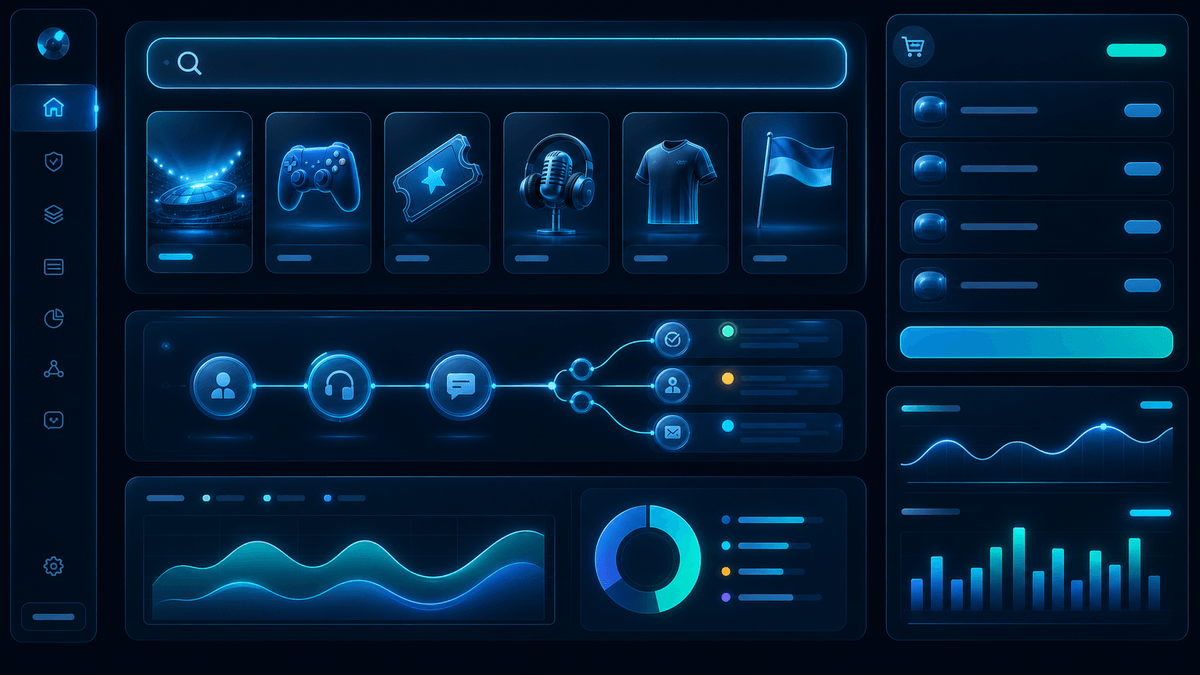
Catalog placement matters. If .fans only appears in a generic list of extensions, customers may miss the reason it exists. Registrars can place .fans in relevant categories such as creator, community, entertainment, sports, gaming, culture, event, campaign, and fan club naming. Search suggestions can also surface .fans when the customer's query suggests a fan-facing project.
The .fans use cases page can help product teams build category logic. The goal is not to overpromote the extension. The goal is to show it when the naming signal is genuinely relevant.
Make Registration Flow Easy to Understand
A registrar flow should explain what the customer is buying and what happens next. Search results should show whether a name can proceed to registration. Checkout should show current commercial information. Confirmation pages should explain how to connect the domain, renew it, and find support.
For .fans, post-purchase setup guidance is especially important because buyers may be creators, campaign teams, or community organizers who do not manage domains every day. A simple activation path can reduce support tickets and help more domains become real fan destinations.
Handle Pricing and Premium Names Carefully
Registrar channels should display current pricing through live systems. Public educational copy should avoid fixed price claims unless those claims are verified and governed. If a .fans name is premium, the registrar should explain the premium label before checkout and show renewal expectations clearly.
Price clarity is customer trust. A buyer who understands registration, renewal, transfer, premium, and add-on costs is less likely to abandon checkout or open a support ticket later. Registrar support teams should know where to verify current information rather than relying on old campaign copy.
Prepare Support Routes
A .fans TLD registrar channel needs support routes for several types of questions:
- Account and billing questions handled by the registrar.
- DNS, nameserver, redirect, and website connection questions.
- Renewal, transfer, and domain lifecycle questions.
- Premium label and pricing display questions.
- WHOIS/RDAP and domain data lookup questions.
- Policy, abuse, and rights-sensitive questions.
Support should use official references where appropriate. The .fans policies page, WHOIS page, and report-abuse page can support public guidance, while internal support notes should explain where each issue is routed.
Connect the Channel to Partner Opportunities

Registrars are not the only channel participants. Agencies, creator networks, entertainment brands, community platforms, and marketing partners may help customers discover or activate .fans domains. The .fans partners page is the natural starting point for organizations exploring collaboration.
A registrar channel can support partners with approved copy, setup guides, campaign assets, and clear handoff rules. This prevents mixed messages when a partner sends customers into the registrar's search or checkout flow.
Use Technology to Improve the Channel
A mature registrar channel uses technology to reduce friction. Domain search APIs, category recommendations, premium indicators, checkout validation, DNS setup assistants, support routing, and activation analytics can all improve the .fans customer experience. Useful technology is often invisible to the customer because it makes each step feel obvious.
Channel teams should watch the full funnel. If customers search but do not register, product copy may need work. If they register but do not connect the domain, setup guidance may be weak. If support tickets repeat, the channel needs better explanations.
Review the Channel After Launch
After launch, review search placement, conversion, activation, support tickets, renewal questions, and campaign performance. The review should include product, support, marketing, engineering, and partner teams. A registrar channel improves when each team can see how its decisions affect the customer.
This review also protects accuracy. Policies, commercial details, support routes, and product pages can change. A regular review keeps the .fans channel current and reduces the risk of stale public information.
Keep Channel Documentation Current
The registrar channel should have a living documentation set. It can include catalog copy, pricing-display rules, premium handling notes, support routes, DNS setup guidance, policy links, and partner handoff instructions. When a campaign changes or a support issue repeats, the documentation should be updated.
This habit is especially useful when multiple teams work on the same channel. Engineering may understand system behavior, marketing may understand campaign positioning, and support may understand customer confusion. A shared documentation set turns those separate views into one operating model.
Documentation should also include decision history. If .fans appears in a certain search category, uses a certain premium label, or links to a specific setup guide, teams should know why. That context prevents accidental changes that make the channel harder for customers to understand.
Review the documentation after major launches, partner campaigns, and policy updates. A registrar channel is not a static shelf placement. It is a living customer path that needs occasional maintenance.
Conclusion
A .fans TLD registrar channel should turn registry-level availability into a clear customer offer. Strong catalog placement, registration clarity, pricing discipline, support routing, partner alignment, and activation guidance help customers understand how a .fans domain can become a real fan-first destination.