
A new gTLD registrar program turns a delegated extension into something registrars can actually offer to customers. The program has to connect industry requirements, registry rules, technical integration, product merchandising, customer support, and partner education. For .fans, that work should also explain why a fan-first domain can be relevant to creators, artists, entertainment teams, sports clubs, fan communities, agencies, and platforms that help people build audience destinations.
The first lesson is simple: a registrar program is not only a sign-up form. It is a working path from interest to launch. ICANN publishes information about registrar accreditation and the agreements and policies that apply to accredited registrars. A registry-specific program then needs to help a registrar understand what is required to support a particular TLD, how the commercial and technical relationship works, and how the customer offer should be presented responsibly.
Start with the Difference Between Accreditation and TLD Readiness
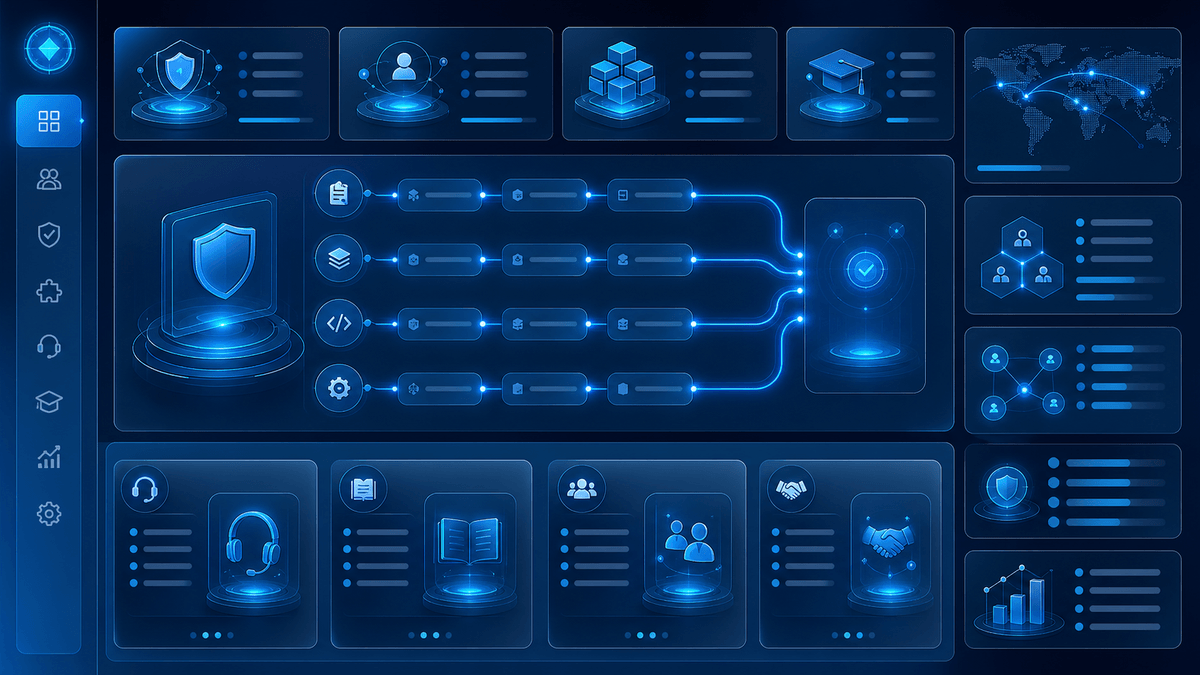
Registrar accreditation and readiness for a specific gTLD are related, but they are not the same thing. Accreditation can establish that a registrar participates in the wider domain name system under applicable ICANN agreements and policies. TLD readiness asks a more specific question: can this registrar offer, explain, provision, renew, support, and promote this extension accurately?
For .fans, readiness includes more than connecting to a registry gateway. A registrar should know how .fans is positioned, where it belongs in a search experience, how to route customer questions, how to avoid unsupported marketing claims, and how to help buyers activate domains after registration. The .fans partners page is the natural starting point for registrar and channel organizations that want to explore collaboration.
Define the Program Audience
A new gTLD registrar program may serve more than one audience. Accredited registrars, reseller platforms, agencies, creator networks, entertainment brands, and strategic partners may all need different information. A strong program separates these audiences instead of sending everyone the same onboarding packet.
- Registrar product teams need positioning, catalog guidance, pricing-display logic, and checkout rules.
- Engineering teams need integration scope, lifecycle workflows, test plans, and support contacts.
- Support teams need escalation paths for account, DNS, WHOIS/RDAP, policy, abuse, and transfer questions.
- Marketing teams need approved messaging, brand-safe examples, and campaign review expectations.
- Partner teams need co-marketing boundaries, referral flows, and post-launch reporting habits.
This audience map prevents onboarding from becoming vague. Each team should leave the program knowing what to build, review, or maintain.
Make the Customer Path Part of the Program
The registrar program should be designed around the customer journey. Buyers do not usually think in registry terms. They search for a name, compare options, register, connect the domain, and come back later for renewal, transfer, DNS, or support questions. A new gTLD registrar program should help the registrar make each of those steps clear.
For .fans, the customer path should connect the extension to real fan destinations. The .fans use cases page describes the extension around fan communities, creators, artists, entertainment brands, sports clubs, and passion-driven audiences. A registrar does not need to overexplain this in checkout, but the category placement and product copy should help customers understand why .fans fits projects such as creator hubs, official fan pages, event pages, campaign sites, membership spaces, and merch destinations.
Keep Marketing Inside Supported Claims

A new gTLD registrar program should make promotion easier, but it should also reduce risky language. For .fans, marketing can discuss fan communities, creator hubs, entertainment teams, sports clubs, passion-driven audiences, and audience destinations when it matches official .fans positioning. It should not claim guaranteed growth, guaranteed monetization, trademark clearance, legal protection, specific availability, or fixed prices unless those facts are verified through the correct source at the time of use.
Fan culture also creates a special review need. Campaign examples should avoid protected team names, celebrity identities, copyrighted characters, band names, game titles, or logos unless the advertiser has the right to use them. Generic examples are usually stronger for registrar education because they show the category without implying affiliation.
Build a Support Model Before Launch
Support planning belongs inside the program, not after launch. A registrar should know which questions it handles directly and which references should be used for policy, WHOIS/RDAP, abuse, or registry data. The .fans policies page, WHOIS page, and report-abuse page can support public-facing guidance when those topics appear.
Support teams should also have plain-language notes for lifecycle status questions. ICANN's EPP status-code materials are useful for technical context, but customer-facing guidance should explain what the customer can do next. A registrar program that turns status codes into clear action reduces confusion.
Review the Program After Launch
The first launch period should produce a program review. Did search placement match customer intent? Did customers understand .fans use cases? Did checkout show current information clearly? Did support teams receive repeated questions? Did partner campaigns send qualified traffic? These answers should update the onboarding checklist.
A new gTLD registrar program is strongest when it becomes a living operating model. Registry information, policy references, partner materials, and support guidance can change. Regular review keeps the .fans channel accurate and useful.
Conclusion
A new gTLD registrar program for .fans should connect industry context, registry onboarding, technical readiness, customer education, support planning, and partner enablement. The goal is not only to add an extension to a catalog. The goal is to help registrars offer .fans with accuracy, clarity, and a customer path that turns a name into a real fan-first destination.