
NCAA Division III soccer spans many schools, conferences, men's and women's programs, rankings, schedules, and postseason paths. General sports sites may cover only the largest stories. A focused audience therefore benefits from a destination that understands the details it repeatedly needs.
d3soccer.fans fills that role through news roundups, analysis, rankings, game calendars, tournament history, polls, video, and community links. The site identifies itself as All Things Division III Soccer with SimpleCoach and continued publishing dated news roundups in August 2026.
Case Snapshot

- Website: d3soccer.fans
- Primary audience: Division III players, coaches, families, alumni, and dedicated supporters
- Core content: news, commentary, rankings, schedules, tournament resources, polls, and video
- Community layer: message boards, weekly pools, surveys, and external social channels
- Status checked: August 11, 2026
A Narrow Subject Creates a Broad Editorial Map
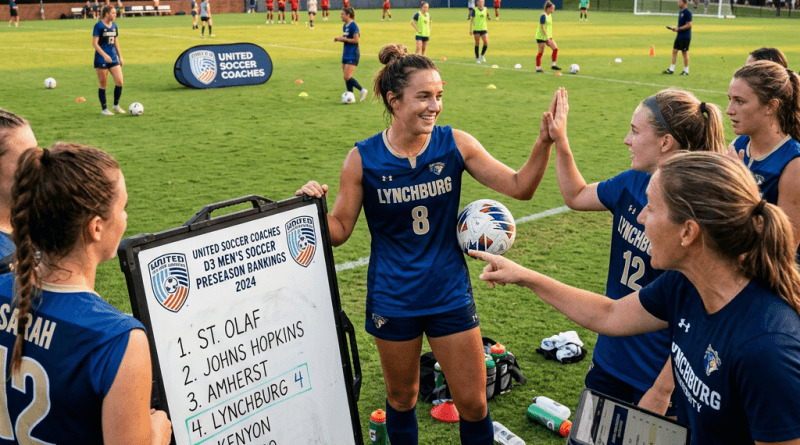
The site is narrow by sport and division, but that focus creates many useful content types. Visitors can follow daily or weekly news, compare rankings, find men's and women's schedules, revisit tournament history, watch interviews, or join a discussion.
This is the advantage of vertical publishing. The audience already shares a baseline interest, so the publisher can go deeper instead of repeatedly explaining why the subject matters. Pages can be organized around recurring fan tasks rather than generic sports categories.
Current Publishing Proves the Site Is More Than an Archive
During the August 2026 review, the homepage listed Division III Soccer News Roundups dated August 5 through August 9. The posts covered preseason developments, rankings, recruiting, coaching changes, schedules, and links to source material. That dated activity is strong evidence of a working editorial operation.
Regularity matters in sports publishing because information loses value quickly. A rankings page, schedule, or news roundup needs a visible date and clear sourcing. d3soccer.fans also keeps older resources available, allowing the site to function as both a current guide and a growing archive.
Utility Pages Give Readers Reasons to Return

The navigation extends beyond articles. It includes dedicated ranking routes, NCAA resources, national tournament history, men's and women's game schedules, polls, and a book club. These tools serve different moments in the season and different levels of audience commitment.
A schedule page can be more valuable than a feature article on match day. A tournament-history page becomes useful when a bracket is announced. A poll or weekly prediction pool creates participation between games. Together, these utilities turn editorial attention into repeat visits.
Three Layers of Value
- Immediate: current news, schedules, rankings, and match links.
- Interpretive: analysis, interviews, lists, and commentary from a specialist perspective.
- Participatory: polls, forums, weekly pools, surveys, and social conversation.
The Domain Is Both Descriptive and Selective
`d3soccer` identifies the subject with little ambiguity, while `.fans` identifies the intended community. The full address is more precise than a generic sports brand and more flexible than a name tied to one college or conference.
This makes it a useful example for niche publishers. A strong vertical domain can signal expertise and belonging at the same time. The official .fans use-case page describes d3soccer.fans as a creator-driven niche sports content website.
Community Features Need Active Stewardship
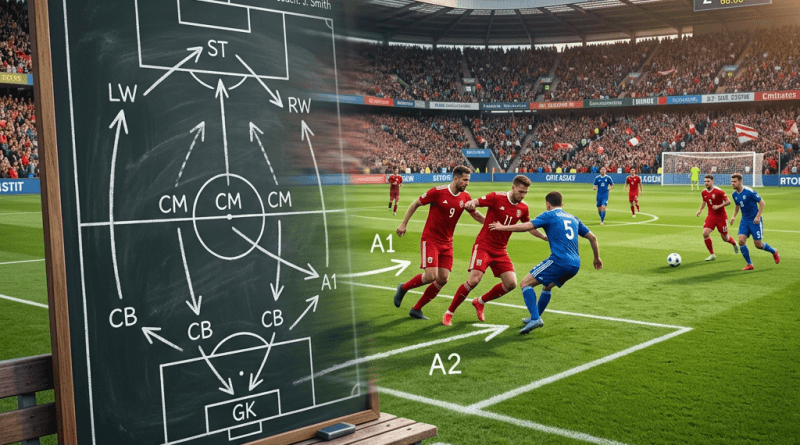
Forums and open participation increase value, but they also create moderation work. During research, some public forum pages showed signs of automated spam alongside genuine soccer topics. That does not erase the site's useful editorial activity, but it illustrates an important operational lesson.
Community tools need account controls, reporting, spam filtering, moderator visibility, and a plan for inactive areas. A smaller well-managed forum is more trustworthy than a large area filled with irrelevant posts. Publishers should review public surfaces as carefully as their homepage.
What Other Niche Sports Publishers Can Learn
- Build navigation around the season's recurring questions.
- Use dates and source links so fast-changing information remains understandable.
- Combine articles with high-utility pages such as schedules and rankings.
- Create participation formats that match the audience's knowledge level.
- Budget time for moderation, broken links, archives, and offseason maintenance.
A Focused Site Can Connect a Scattered Ecosystem
Division III soccer information lives across school athletics pages, conference sites, ranking services, social posts, video channels, and national organizations. d3soccer.fans does not need to replace every source. Its role is to help readers navigate them through one informed editorial lens.
The broader fan-first identity guide explains why a dedicated address can support that kind of continuity. Publishers researching their own niche can check available names through the .fans registration page.
The site's August 2026 roundup cadence also shows why specialist publishing can remain valuable in an era of general sports feeds. A focused editor can connect stories that appear separately across college pages, explain why they matter to Division III readers, and preserve a dated trail for people who return later. That curation creates context that a raw list of links cannot provide.
Consistency is especially important around preseason and tournament periods, when schedules and rankings change quickly. A simple update policy covering timestamps, corrected information, and archived predictions would help readers distinguish a historical snapshot from current guidance. That editorial discipline strengthens both search value and community confidence.
Conclusion
d3soccer.fans shows how a highly specific sports subject can support a complete media destination. Current roundups bring urgency, utility pages support repeated tasks, and community features invite participation. Its biggest strength is not simply covering soccer. It understands which corner of soccer its readers care about and gives that audience one recognizable place to return.