
Following a baseball team can require a surprising number of tabs. A score app covers the game. Social feeds carry reactions. News sites report roster moves. Podcasts add analysis. Photos remember the days a fan actually went to the ballpark. Each source is useful, but the experience is fragmented.
fanarchy.fans presents an integrated alternative for MLB supporters. Its public site combines scores, live game threads, team communities, news, highlights, podcasts, fan conversation, and a personal record of games attended. The product is designed around how fandom feels over time, not only around today's final score.
Case Snapshot
- Website: fanarchy.fans
- Primary audience: MLB fans who follow teams, games, media, and community discussion
- Core experiences: team feed, live game threads, game search, communities, and fandom scrapbook
- Access routes: website, iPhone app, and Slack integration
- Status checked: August 11, 2026
The Game Becomes a Community Object
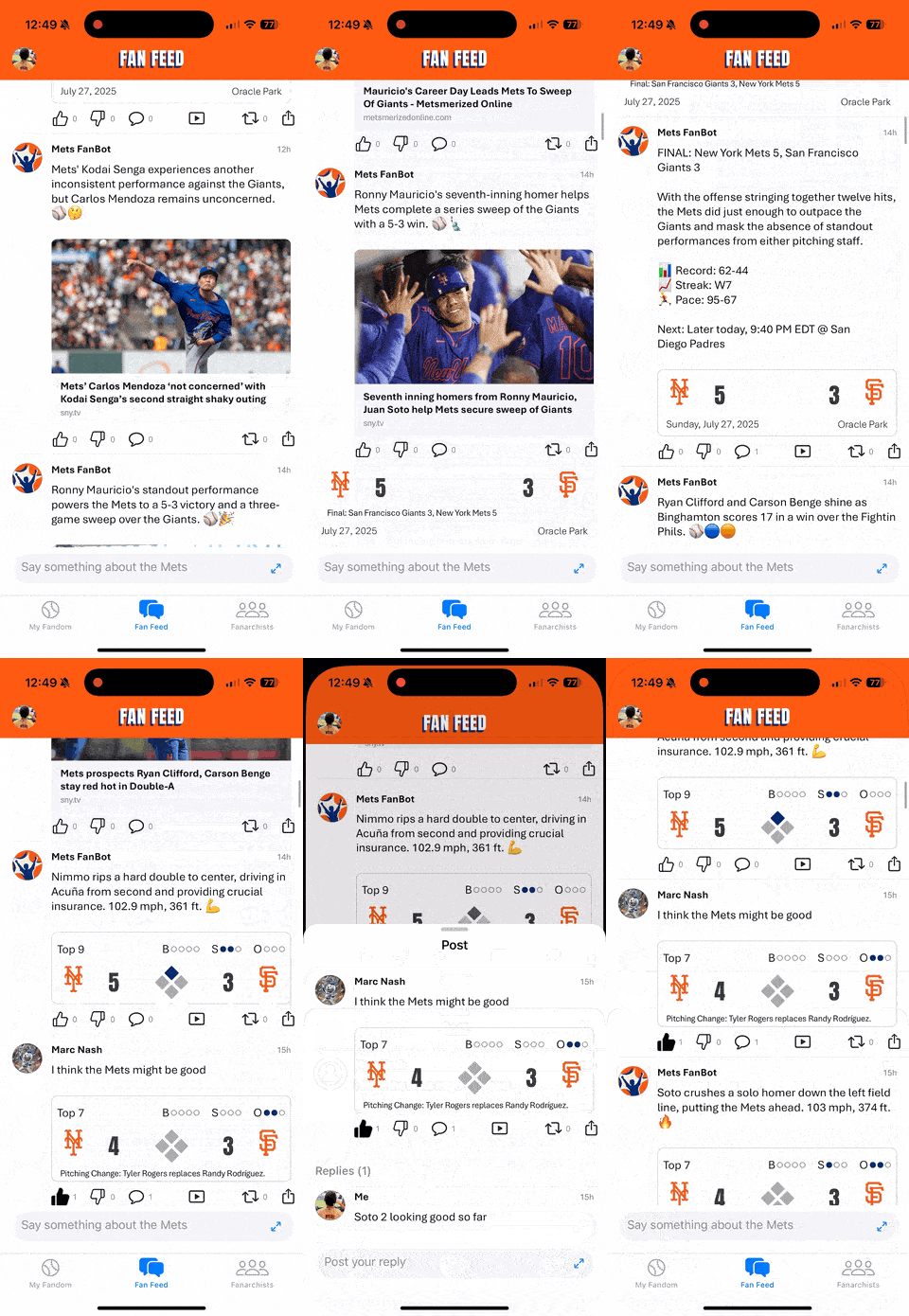
A conventional score page treats a game as a collection of statistics. Fanarchy adds conversation and context. A live game thread gives people following the same matchup a shared place for reactions, questions, and interpretation alongside play-by-play information.
This pairing matters because sports data and fan emotion arrive at the same time. A pitching change is both an event in the score feed and a trigger for debate. Keeping those layers connected can reduce the need to jump between unrelated apps during every inning.
Team Feeds Reduce Information Hunting
The site describes a fan feed that brings together roster moves, injuries, highlights, podcasts, media reactions, and community commentary. Organizing content around the team rather than the source reflects the user's mental model: a Dodgers fan wants the Dodgers story, even when it comes from several publishers or formats.
This is a useful lesson for any aggregation product. The interface should organize around the audience's subject of interest, while still showing where each item came from. Clear attribution, timestamps, and links back to original sources preserve trust and help users judge context.
A Fandom Scrapbook Adds Personal History
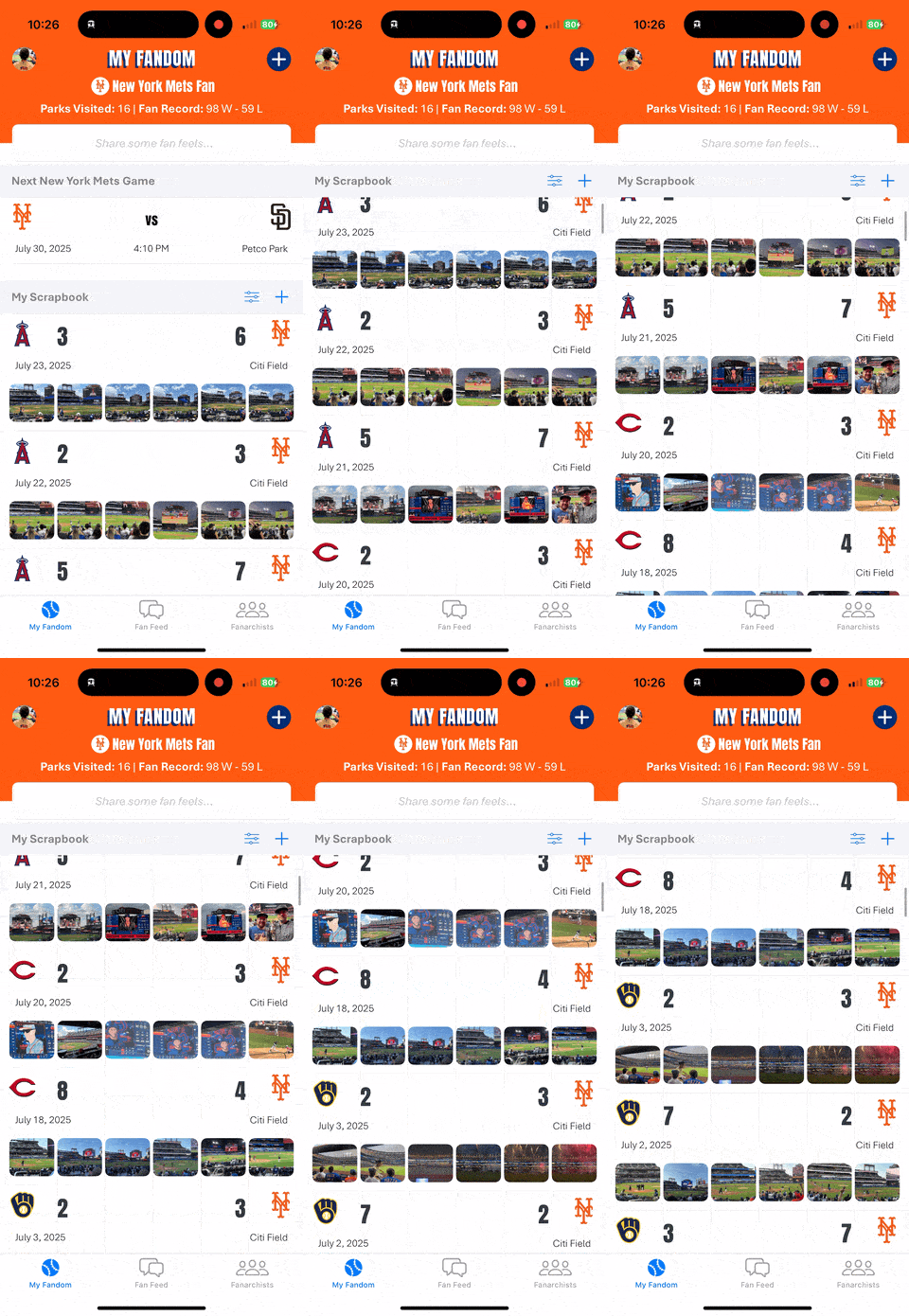
Fanarchy's most distinctive idea is the fandom scrapbook. The site says users can log games they attend, track their personal fan record, save moments, and build a history around the team. It also describes finding attended games from photo timing and location, a feature that should be accompanied by clear permission and privacy controls.
Scores are public history, but attendance is personal history. Combining the two creates an emotional reason to return after the game is over. The product is no longer only a utility for checking what happened; it becomes a record of where the fan was when it happened.
Three Time Horizons in One Product
- Now: live scores, play-by-play, alerts, and game conversation.
- This season: team news, debates, highlights, podcasts, and roster context.
- Across years: historical game search, saved moments, and personal attendance memories.
Natural-Language Game Search Supports Imperfect Memory
The public site invites users to search for games using remembered details, such as a comeback, opponent, season, or unusual event. This recognizes how fans recall sports. People may forget an exact date while remembering the home run, rain delay, or rivalry.
Designing search around human memory can make archives more approachable. Results still need accurate game identifiers, dates, and scores, but the entry point can be conversational rather than requiring the user to know a database schema.
The Domain Matches the Product's Voice
"Fanarchy" combines fandom with a playful sense of unruly participation. The .fans extension completes the idea without additional explanation. It signals that the platform is not a neutral league office or official MLB property; it is designed around supporters and their conversations.
The official .fans case collection describes Fanarchy as a community platform for MLB fans. The site itself should remain clear about its independent status and avoid visual or written cues that could imply league or team endorsement.
What Other Sports Communities Can Learn
- Connect live data with discussion at the moment fans are most engaged.
- Organize aggregation around teams and games while preserving source attribution.
- Give supporters tools to build a personal history, not only consume current news.
- Make archives searchable through the details people naturally remember.
- State independent or unofficial status clearly and moderate community spaces consistently.
Privacy and Moderation Are Product Features
Photo-library scanning, location-derived attendance, personal accounts, and live conversation all require careful controls. Users should know what information remains on-device, what is uploaded, how it can be deleted, and who can see it. Community tools also need reporting, blocking, and moderation processes that work during emotionally charged games.
Builders planning a sports destination can explore other models on the fan-first identity page and research names through the .fans registration route. The memorable name is the invitation; the quality of the experience determines whether supporters stay.
Fanarchy also illustrates the value of keeping each contribution attached to a clear game context. A comment, highlight, podcast episode, and saved memory become easier to understand when the opponent, date, and result remain visible. That shared context can reduce confusion in live discussion and make years of community activity more useful as an archive.
Conclusion
fanarchy.fans treats baseball fandom as a continuous story. Live threads cover the game in progress, team feeds organize the season, and personal archives preserve the fan's own history. That layered design is the case's strongest lesson: sports communities become more valuable when they connect what is happening, what people are saying, and what each supporter wants to remember.