
A podcast domain gives a show or listener project an address people can use beyond an episode listing. Choose .fans when the destination is built around the audience: people who want to discuss ideas, revisit material and share a continuing interest. DIOT.fans offers a real example of that use. It brings selected BBC In Our Time programmes into a listener-curated discussion resource under its own .fans address.
This is an independent listener resource, not an official BBC website or a case study of the programme's publisher. That distinction is central to understanding the domain. The project demonstrates how a fan-oriented address can identify the activity around a programme while linking visitors to the original source. For someone planning a similar destination, it connects the registration decision with a specific use: giving an audience project a recognizable place online.
DIOT.fans: a domain organized around discussion
The DIOT.fans discussion directory presents seven numbered discussion blocks plus a section for additional material. Themes include matter, the universe and life. Entries place links to BBC programme pages beside labeled transcript downloads. The page also offers an editor contact. These are observable features of the resource, rather than evidence of audience size or commercial performance.
The address is short, but its purpose becomes clearer through the page title, “DISCUSS In Our Time.” That pairing matters. An abbreviation can make a compact domain; the visible title supplies the context a first-time visitor needs. The .fans ending adds an audience-oriented meaning to the whole name without requiring it to reproduce the programme title in full.
If you are choosing a podcast domain for a listener group, begin with that relationship between name and purpose. Write a sentence explaining what people will find after typing the address. A reading group, episode discussion project and show publisher may serve overlapping audiences, but their websites make different promises. Choose wording that describes your actual role and build the opening page around that promise.
Why choose .fans for a podcast domain?
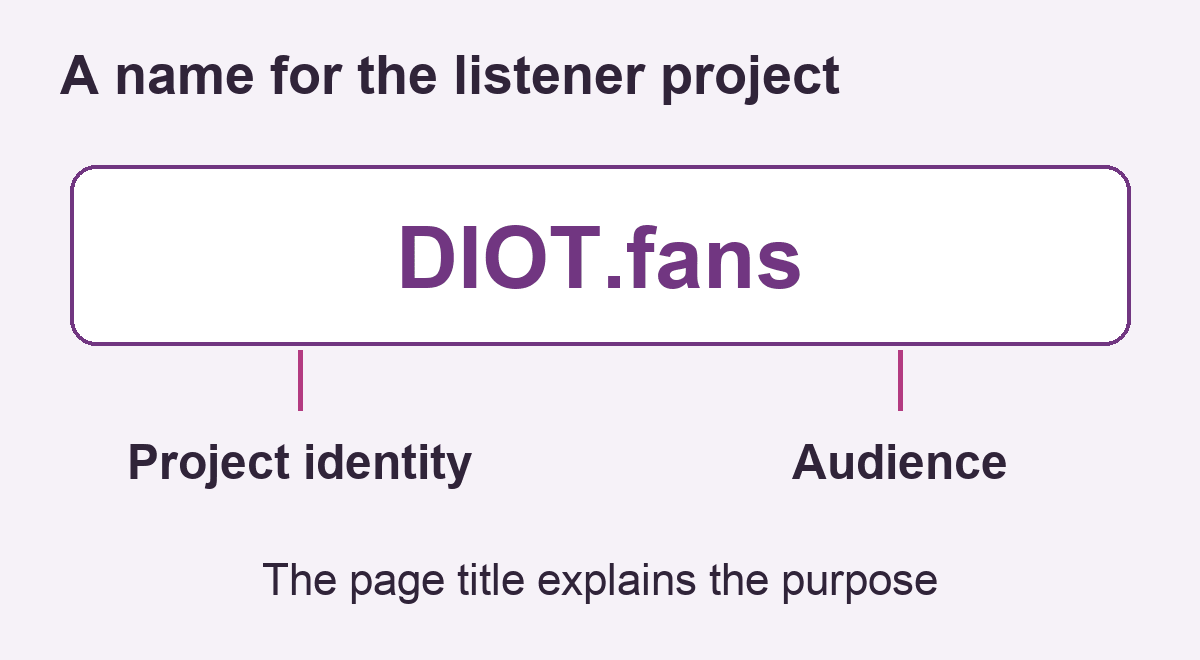
Original naming illustration: the .fans ending adds audience context to the DIOT project name.
A listener community has a reason to exist beyond distributing audio. People may want to compare interpretations, collect their own reading notes or return to a topic introduced in an episode. A .fans address can frame those activities around the audience's shared interest. It gives you a naming option whose ending directly relates to the people the site intends to serve.
DIOT.fans makes this use tangible through a discussion-led directory. The opportunity for another project is not to reproduce its collection. It is to identify a useful audience activity and give that activity a clear destination. A small project might begin with a monthly listening selection and original discussion questions. A larger editorial project might maintain topic pages with links to related episodes.
Your podcast domain should fit the kind of return visit you want to support. Imagine someone sharing the address in a group message: what would they say the site is for? If the answer centers on listeners and their shared interest, .fans is a relevant extension to consider. The name and the page introduction should reinforce the same purpose.
The podcast domain registration decision is strongest when it has a practical plan behind it. Choose a name that you can explain, a first page you can maintain and a clear route to the original programme where relevant. The extension contributes meaning to the address; your editorial work makes the destination useful. Neither a particular audience size nor future growth follows automatically from the suffix.
Give listening a destination after the episode ends
DIOT's topic-based organization provides the starting point for a different kind of visit from a chronological episode feed. Someone can begin with a subject, select an item and follow the programme link. That arrangement shows a domain being used to organize a shared interest rather than simply repeat a list of recent releases.
For your own podcast domain, decide what happens after a listener arrives. A discussion project might present the selected episode, a short explanation of why it was chosen and three original questions for the group. A subject index might explain how several programmes approach a common theme. Each page should give a visitor enough context to choose the next action without guessing.
Consider an illustrative science listening group. Its first page could introduce the month's topic, link to the publisher's episode page and provide original notes for the meeting. The domain becomes the address participants share when inviting someone new. This is a proposed use, not a description of activities verified at DIOT.fans.
A focused launch can be more practical than an extensive empty directory. Start with material that has a clear purpose and an owner who can keep it current. As the collection expands, retain readable page titles and a consistent navigation route. The value of the address grows from the useful work people can repeatedly find there, rather than from the number of sections you create at launch.
Keep the listener project distinct from the publisher
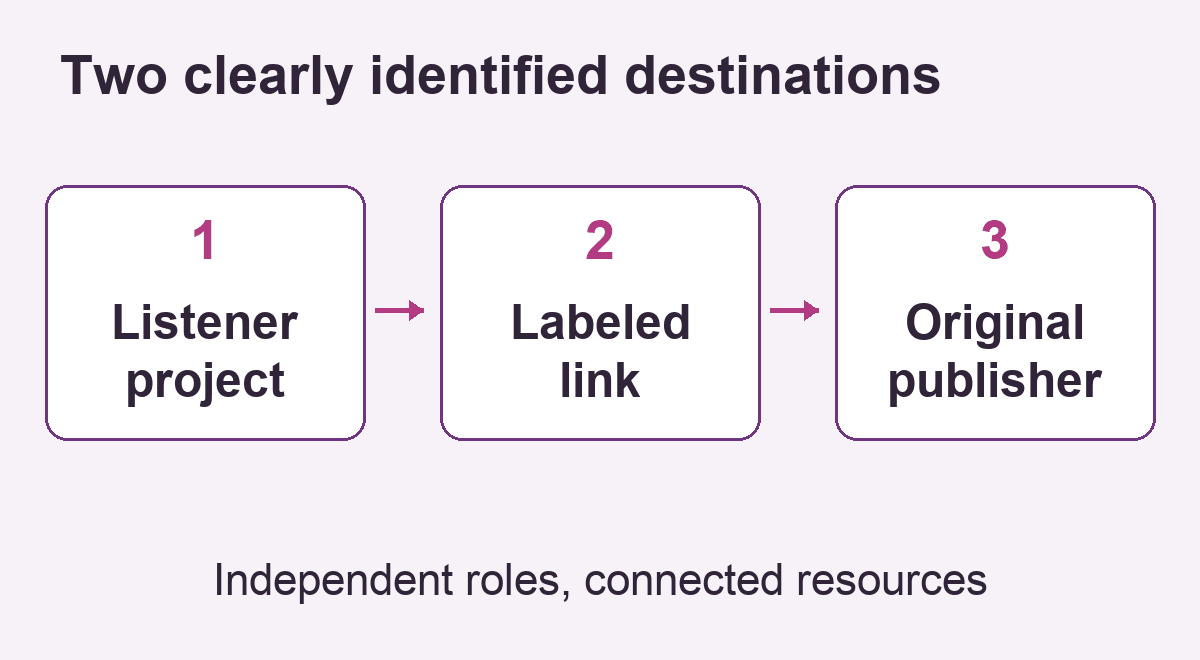
Original planning illustration: a listener project can link clearly to the original programme publisher.
A fan-oriented name does not establish an official relationship with a programme. Your podcast domain and page introduction should make the operator's role understandable. A publisher's own website, an independent review project and a listener discussion group can each be useful, but readers should know which one they are visiting before relying on its material.
The introduction to DIOT's Proton transcript credits the BBC for the programme and describes automated transcription followed by manual editing. It invites corrections. These disclosures describe how that document was prepared; they do not establish BBC endorsement, permission to reproduce other material or verification of every passage.
For a new listener project, original commentary and links to the publisher can provide a useful starting point. Introduce the editor or group in plain language. Explain how topics are selected and where readers can send corrections. If the site is independent, say so directly rather than expecting the domain ending to communicate every detail of the relationship.
Treat the name as one part of a complete identity. The page title, introductory sentence and contact route should tell the same story. A visitor should not have to open several documents to learn who maintains the collection. Clear authorship helps make the address worth sharing because the next reader can understand both the content and the responsibility behind it.
Choose a name listeners can say and share
The compact DIOT.fans address depends on its descriptive page title for context. That is a useful tradeoff to consider when choosing your own name. An abbreviation may suit an established group, while a newcomer may understand a more descriptive project name sooner. Neither approach should require a lengthy explanation every time you share the address.
Test a proposed podcast domain in the places people will encounter it. Say it aloud as if introducing a discussion session. Type it into a message beside a short description of the project. Read it without the logo or page artwork. Ask someone unfamiliar with the project what they expect to find there, then compare that answer with your intended use.
Keep the whole address in view when assessing candidates. The words before the dot identify your project; .fans contributes the audience context. A name should still fit if you expand from one discussion page to a topic archive or a collection of original commentary. You do not need to put every planned feature into the domain itself.
Before committing, check for confusingly similar projects and review the exact candidate with a registrar. If a name is unavailable, compare clear alternatives rather than adding several unexplained characters. Availability is specific to the complete name and must be checked at the time of registration. This article does not suggest that any untested name is available.
Make the registered address useful from the first visit
Once you have a name, prepare a small but complete destination for it. A listener project can begin with an introduction, one useful discussion page and a contact route. Tell newcomers what the project covers and how the collection is organized. Make the first action clear, whether that is opening a publisher's episode page or reading original discussion notes.
A podcast domain can serve as the website address while links take listeners to the services that publish the audio. Keep those destinations clearly labeled. Someone following a link on a phone should be able to tell whether it opens a webpage or downloads a document. Clear labels help visitors choose the resource they want to open.
Try a realistic return visit before you announce the site. Start from a message containing the address, locate the current topic, open the programme link and return to the collection. Then find the editor contact. If a step is confusing, revise the labels or page order. This small exercise tests whether the name leads to a usable experience.
Decide who will maintain the address and the content as separate responsibilities. The registration account needs current contact information and renewal attention. The website needs working links and clear editorial ownership. For a group project, record those responsibilities so that a change of organizer does not leave the destination unattended.
From a listener idea to .fans registration
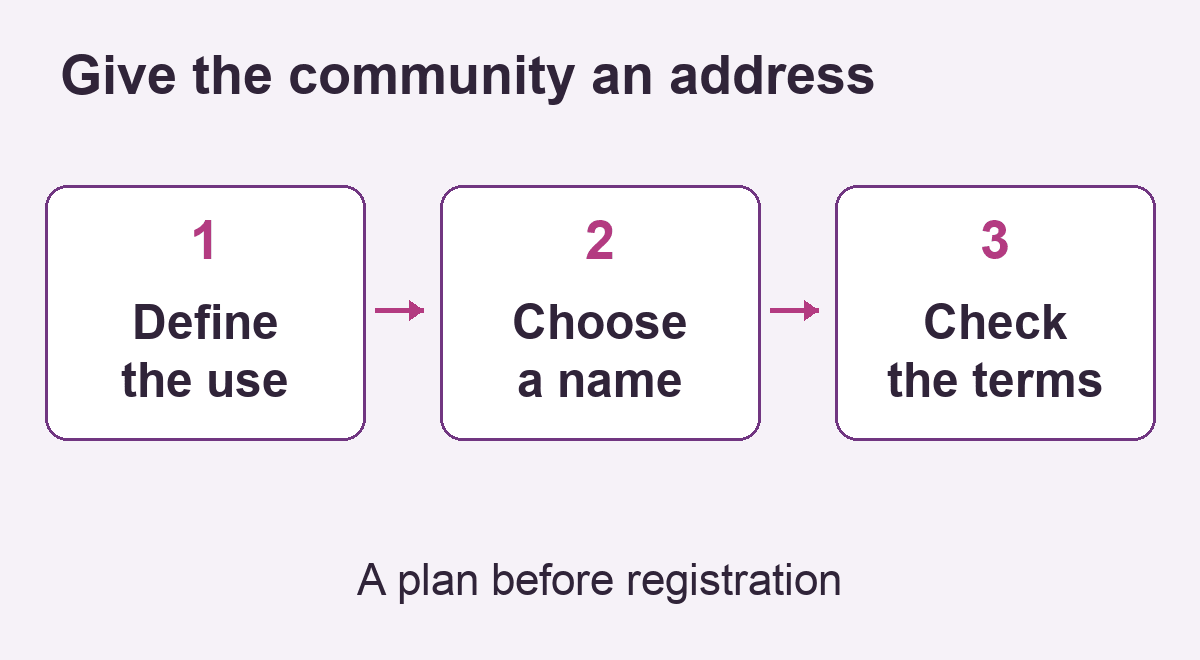
Original planning illustration: define the listener use, choose a name and review registration terms.
DIOT.fans illustrates a particular purpose for the extension: a resource organized around people engaging with a programme. If your project has a similarly clear audience focus, move from the idea to a short list of names. Keep a brief note beside each candidate explaining how it fits the project and what the first page will contain.
The introduction to the .fans domain provides more context on its use for shared interests and community destinations. Use that positioning to test the shortlist. The goal is a name you can use consistently in invitations, descriptions and future content, with a meaning that fits the audience you want to serve.
Before registering your podcast domain, confirm the exact name, registration period, renewal terms and any separate website services. If you already maintain a site, check how your provider connects a custom domain. Compare what you need with what is included, and keep the registration under the control of the person or organization responsible for the project.
Then visit the .fans registration page to begin checking your options. Choose on the basis of the complete name and the terms available to you. A useful launch plan should be ready alongside the purchase: what visitors will see, where the first links lead and who will keep the destination current.
Podcast domain questions for listener projects
Is DIOT.fans the official In Our Time website?
This article treats it as an independent listener-curated resource. Its directory links to BBC programme pages, and its transcript introduction credits the programme source while describing the editor's work. The case demonstrates a listener use of .fans; it does not establish an official relationship with the BBC.
Can the address support a discussion site instead of a new show?
Yes, the case illustrates a domain used around discussion and supporting material. Your project should clearly explain its purpose and operator. Start with original contributions you can maintain, such as discussion questions or reading notes, and provide clearly labeled links to the original programme where appropriate.
What should I decide before choosing the name?
Decide who the site serves, what visitors will do and how you will describe your role. Then test whether the name and page title communicate those decisions. For a podcast domain intended for listeners, .fans can be a meaningful part of that identity. Check the exact registration terms before committing.
Give your listeners a place to continue
DIOT.fans shows how a .fans address can identify a project built around continuing interest in a programme. Your opportunity is to choose a name that fits your own audience, give it a useful destination and keep the relationship between the project and its source clear.
Have a listener community in mind? Explore a .fans name for the place where the conversation continues.