
A generic top level domain can carry a message about the audience a website wants to reach.
At ELive.fans, the name pairs ELive’s product identity with a suffix that evokes the people who follow live entertainment. The English homepage introduces the platform, shows how it describes its features, and directs visitors to app stores. That gives us a concrete case for examining what a suffix can communicate, and which practical questions the website still needs to answer.
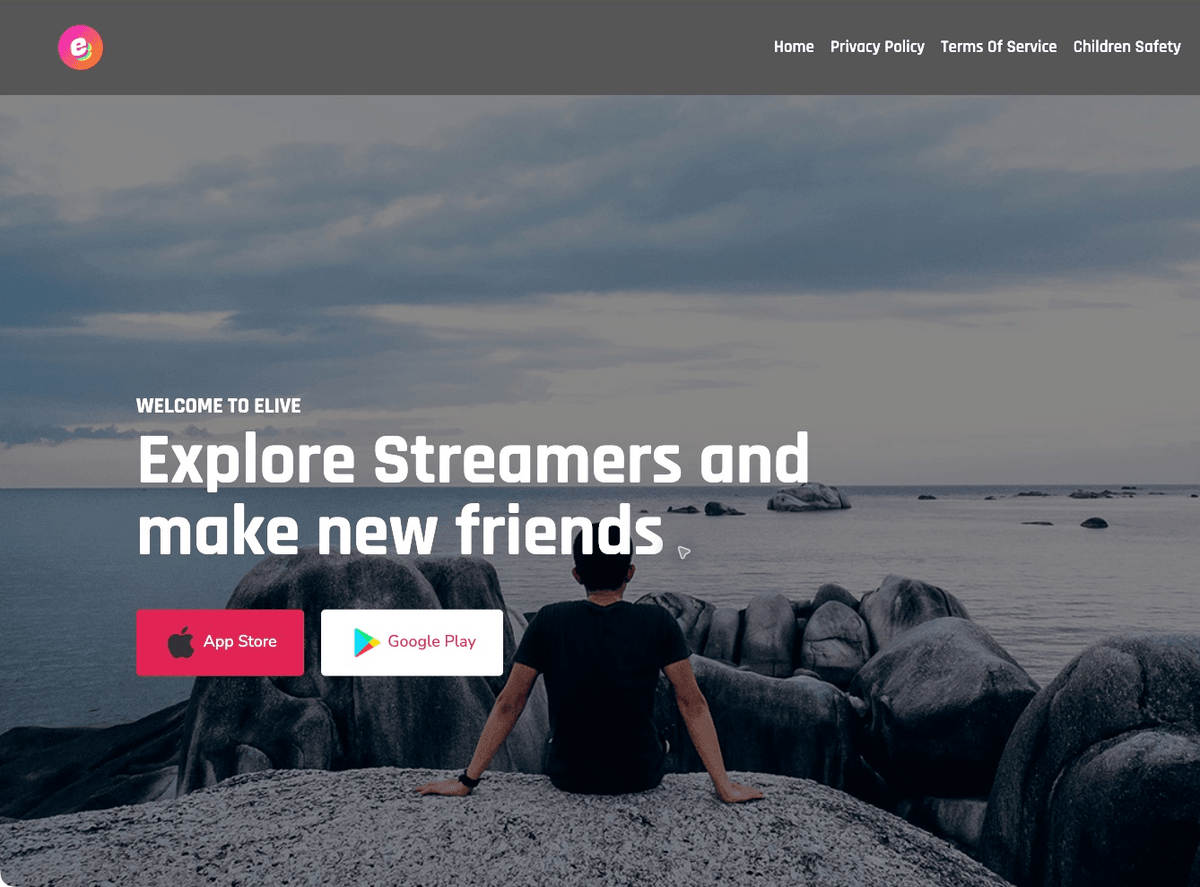
Screenshot from elive.fans · November 17, 2026
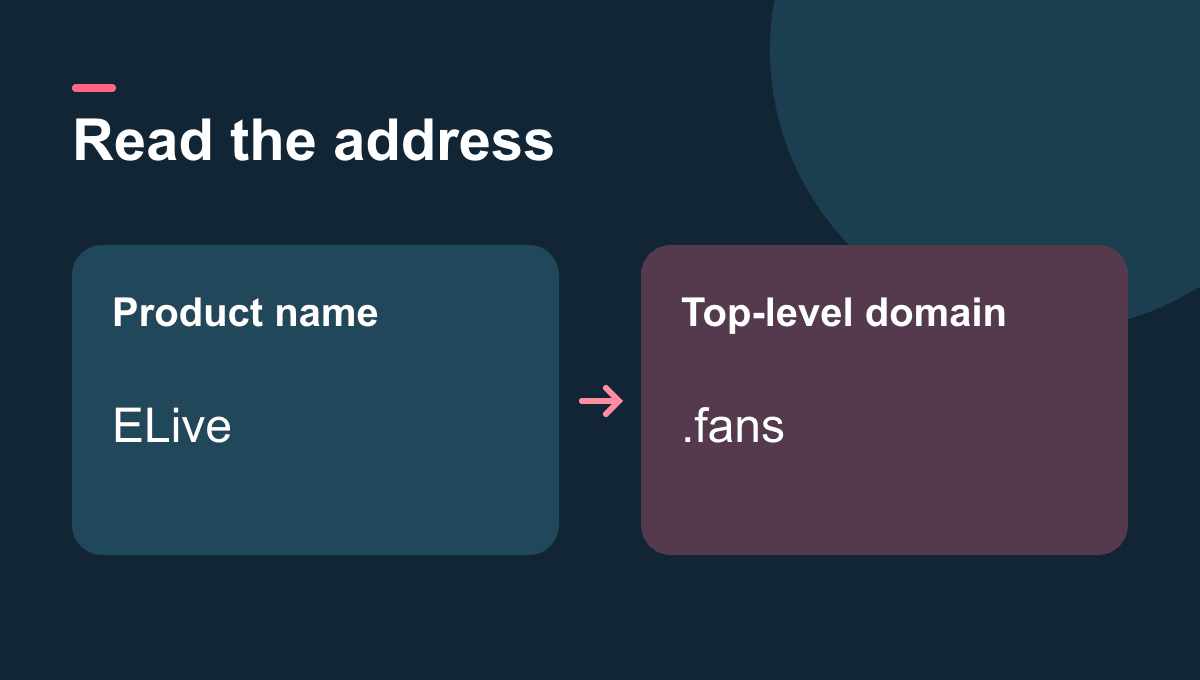
Identify the two parts of the ELive.fans address
The generic top level domain is the final label, .fans. ELive is the name immediately to its left. Together they form the registered address elive.fans. The site also appears at www.elive.fans, where www is a separate label placed before the registered name. The two versions can be configured to lead to the same site. Adding www does not change the suffix or create another registered domain.
Why does the distinction matter for a product team? The product name helps a visitor recognize which service the link belongs to. The suffix can provide a cue about the kind of relationship the service wants to invite. In this case a visitor who recognizes ELive can still distinguish its brand from a page that happens to use a similar word in a headline. Someone unfamiliar with the brand can read the address together with the homepage’s description of watching streamers and meeting other people.
Confirm which organization is behind the website
A generic top level domain can suggest a category, but its meaning does not authenticate an operator. ELive’s public terms identify EFUN PTE. LTD. as the contracting party. The Android listing, published by the developer, provides an elive.fans support address and describes live streaming and social interaction. Those are distinct pieces of evidence: the terms state who is responsible under the agreement, while the store listing ties its published support details to the same domain.
That distinction is practical for anyone reading a link from a creator or partner. If a website is presented as the official home of a product, check the product’s own sources for a consistent address or support contact. A badge, familiar color, or audience-oriented suffix is weak evidence on its own. The registry’s .fans use cases show several possible roles for the suffix, from individual artists to shared platforms.
Read the homepage as a route to the product
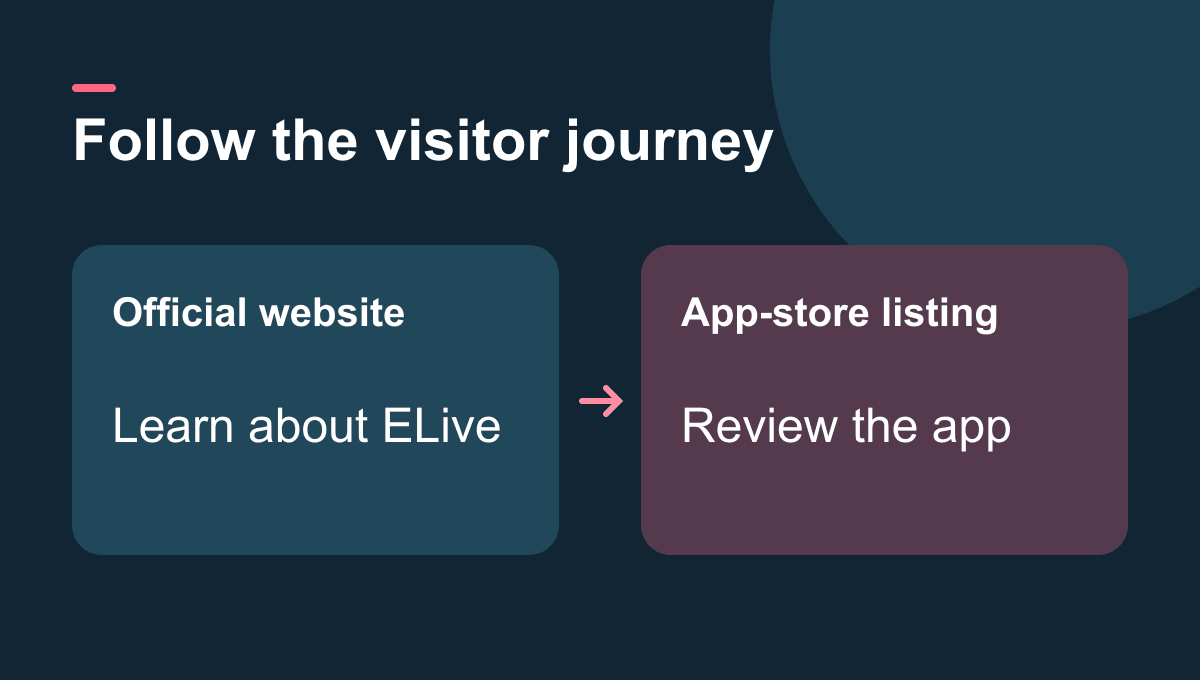
The English homepage introduces ELive as a service for exploring streamers and connecting with others. The first screen provides app-store entry points. Farther down, the site describes its features for viewing, participating in live interaction, and sharing content. Those public sections show what the operator wants a visitor to understand before deciding whether to leave the website for a store listing. They do not establish how many people take that step.
A generic top level domain makes the distinction between website and application easy to overlook. The website is the address people can open and share. The store listing is a separate destination, where readers can examine the developer’s description and current platform details. When a service uses both, its homepage can identify the product and make the next step clear while the listing handles installation and device-specific facts.
Separate the registry category from the audience signal
IANA’s root-zone record lists .fans as a generic top level domain. That describes a technical and administrative category. On the ELive website, the same letters also carry their ordinary English meaning. A reader can associate fans with following performers or broadcasts, but the name alone cannot explain whether the site is a fan forum, an artist page, or a streaming platform. The homepage makes that difference concrete.
For another team evaluating a generic top level domain, test those two functions independently. First identify the suffix and its registration category. Then put the full domain beside the words and actions visitors will see on the opening screen. If the address suggests a community but the first screen contains only a download button with no explanation, the visitor may still be unsure what they are installing. If the page names the service and describes the audience’s role, the name and the page can reinforce the same expectation.
Decide which details need their own pages
A generic top level domain belongs to the address even when the service has separate pages for privacy, terms or support. ELive publishes its English terms and privacy information at their own page paths. These destinations let readers find policies without placing every detail in the homepage message. The terms also state that the service is for people aged 18 and over. That requirement belongs to the operator’s own documentation and cannot be inferred from the domain.
The same pattern can help teams planning a new audience-facing site. Give the home page a clear purpose. Use linked pages for information that visitors need at a different moment, such as help before sign-up or terms before using a feature. The audience cue in the domain can remain consistent across those destinations. The page labels and content tell readers which task they can complete on each page.
Questions this case helps answer
Is .fans a generic top level domain?
Yes. IANA classifies .fans as generic in its root-zone database. In elive.fans, .fans is the suffix and elive identifies the registered name under it. This classification helps explain the structure of the address. It says nothing by itself about who operates a specific site or what the site allows visitors to do.
Does a .fans address mean the site itself hosts the livestreams?
The public ELive homepage explains the service and offers routes to app stores. Its published descriptions discuss live interaction, but those descriptions do not establish that viewers can watch every broadcast on the website. A team evaluating a similar domain should ask where each visitor action actually happens and label links to those destinations accordingly.
Does choosing a generic top level domain verify your brand?
A domain can express a brand or an audience, while identity should be checked through the business’s own published sources. For the ELive example, a reader can compare the homepage, terms, and store listing. For another site, look for equivalent first-party evidence before describing the property as official.
Choose a suffix that matches the job of the site
The ELive case shows a practical way to evaluate a generic top level domain: read the complete address, check who is behind it, then inspect what the first page asks a visitor to do. ELive uses its brand in the address and introduces its streaming service on the website, with app stores serving as the next step for readers who want to explore the product.
If you are choosing a name for a creator project or a community, sketch the first screen before registering. Write the sentence that tells a newcomer what the site is for and name the action you want them to take. Then compare the wording with the domain. A clear fit is one you can explain by pointing to how the site works.