
To carry .fans domains well, a registrar needs more than a database entry. The extension has a clear market signal: fan communities, creators, entertainment teams, clubs, agencies, and audience-led projects. If .fans appears only as one more extension in a long alphabetic list, customers may miss why it fits their project. If it is positioned around real fan-facing use cases, it becomes easier to discover and easier to sell responsibly.
The official .fans partners page describes registrar partnership as a path for offering .fans domains directly through registrar platforms. That language is useful because it connects product catalog work with customer outcomes. The registrar is not only adding inventory. It is helping customers choose a memorable address for community, membership, merch, events, and audience engagement.
Start with the Buyer Context
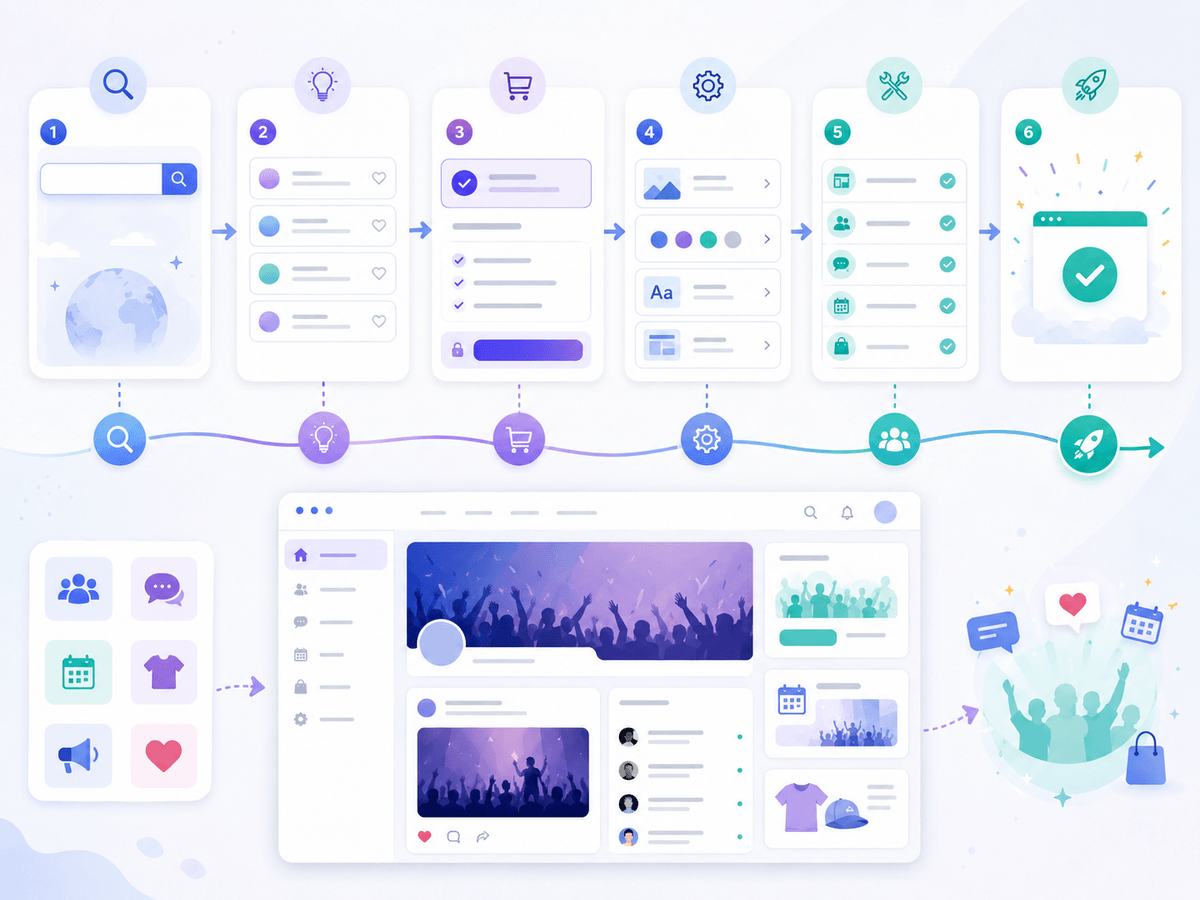
Many domain buyers do not begin by searching for a specific TLD. They begin with a problem: they need a creator hub, a fan club site, a campaign page, a supporter community, a merch destination, or a central link for audience activity. A registrar that carries .fans should surface it when those buyer signals appear in search terms, category pages, and recommendation flows.
For example, a search for fan club, creator community, artist updates, supporter page, event fandom, or merch launch can trigger educational suggestions. The extension itself communicates fans, community, and connection, which aligns with the .fans registration positioning. Clear buyer context improves both conversion and customer satisfaction.
Build the Product Catalog Entry Carefully
A useful registrar catalog entry should explain who .fans is for, what kinds of sites it can support, and what customers should check before registering. Keep the copy practical. Avoid promising audience growth, monetization, legal clearance, or specific domain availability. Availability and pricing should come from the registrar's live system at checkout.
Good product content can include:
- A short explanation of .fans as a fan-first domain identity.
- Use cases such as creator hubs, fan clubs, merch stores, membership pages, and event sites.
- Responsible naming guidance for official and independent fan projects.
- Links to setup help for DNS records, redirects, and website connection.
- Support guidance for renewal, transfer, domain status, and account security.
Prepare Support Before Promotion
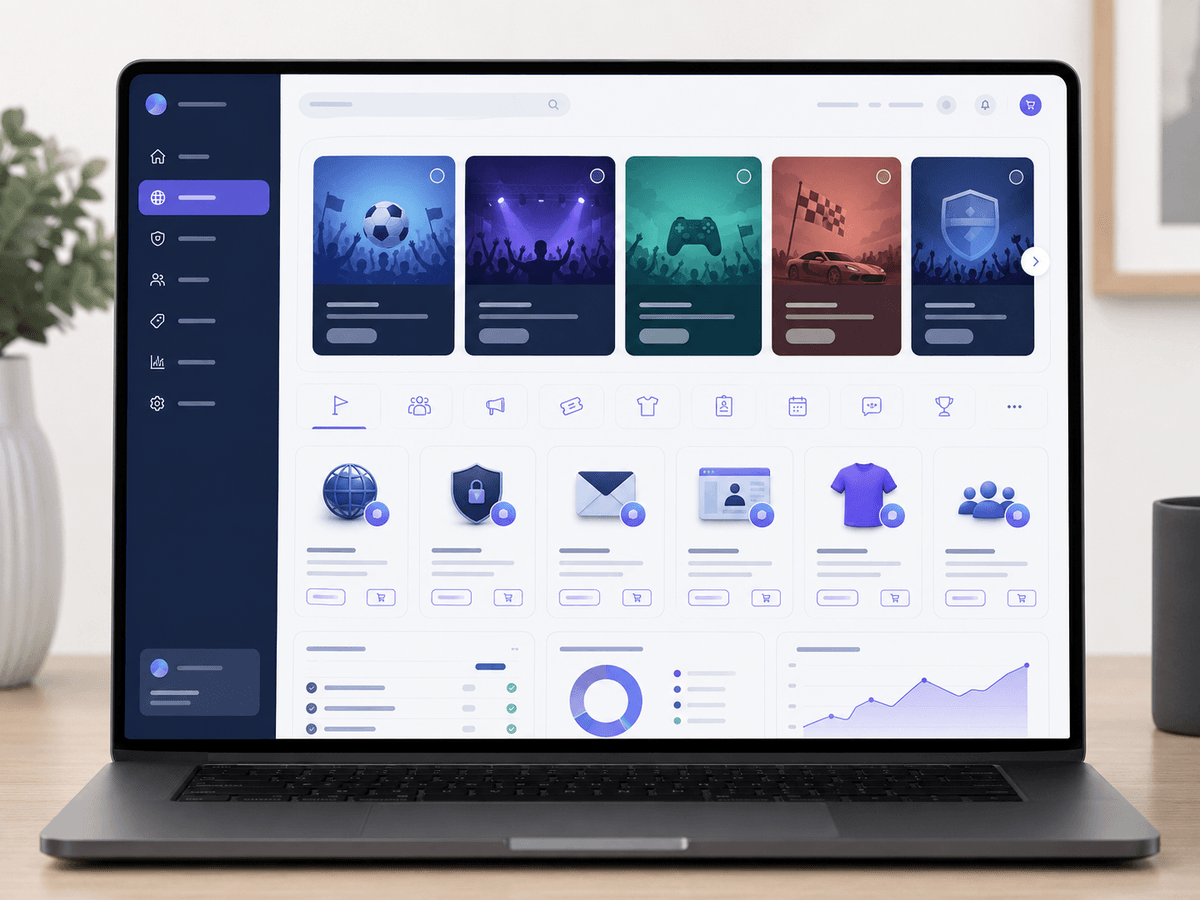
Promotion should not outrun support readiness. Once a registrar starts carrying .fans domains, customers may ask about DNS setup, transfer timing, renewal, domain status, WHOIS/RDAP lookup, and naming concerns. Support teams should know which questions belong to the registrar, which belong to a website platform, and which require official registry or ICANN references.
IANA lists .FANS as a generic top-level domain and identifies WHOIS and RDAP services. ICANN provides explanations for EPP status codes. These references can support internal training and customer support articles. They should not be used to overwhelm non-technical buyers, but they are valuable when an issue needs accurate domain-system context.
Use Fan-Friendly Search Suggestions
Search behavior is where many domain decisions happen. Registrars can make .fans easier to discover by pairing it with relevant naming ideas. A creator may search for a project name and not know that a fan-first extension exists. A club may search for supporter language. An agency may search campaign names for multiple clients. Search suggestions should help these buyers see the fit without implying affiliation with protected brands or public figures.
The safest approach is to use generic examples and descriptive categories. Do not use celebrity names, team names, game titles, show titles, or logos in a way that suggests endorsement or rights. Fan culture is energetic, but registrar messaging still needs to be careful and rights-aware.
Measure Whether Carrying .fans Is Working
After launch, measure more than registration volume. Track which searches expose .fans, which pages convert, which support questions repeat, and whether customers connect the domain to an active site. If many customers register but do not configure DNS, the post-purchase flow may need improvement. If customers ask repeated rights questions, pre-checkout naming guidance may be too thin.
Registrar teams should review search logs, campaign analytics, and support tickets together. Product placement, education, and support are connected. A well-carried extension is not only listed; it is understood.
Internal Launch Roles
Carrying .fans domains should have clear internal owners. Product teams own extension setup and category placement. Engineering teams own availability search, registration flow, DNS management, and transfer behavior. Support teams own customer-facing help. Marketing teams own positioning and campaign timing. Compliance or legal teams should review rights-sensitive language and policy references.
A short launch brief can keep these teams aligned. It should include the approved .fans description, target customer segments, current support links, setup documentation, known restrictions, escalation contacts, and campaign calendar. The brief does not need to be long. It needs to prevent each team from inventing its own version of the product.
Customer Education After Listing
Once .fans is visible in the catalog, customers need education that meets them at their level. A creator may want to know how to point a domain to a link hub. A club may want to understand redirects and event pages. An agency may care about managing multiple campaign domains. A registrar can create short guides for these situations instead of sending every customer to the same generic DNS article.
Education also helps reduce unused registrations. When customers understand the next step after checkout, they are more likely to connect the domain to a real fan destination. That makes the extension more valuable for the customer and healthier for the registrar's long-term channel performance.
Final Pre-Launch Check
Before the extension is promoted broadly, run one final check across catalog copy, checkout terms, support links, and DNS setup guidance. A small review protects the registrar from avoidable confusion and gives buyers a smoother first experience.
Conclusion
Registrars can carry .fans domains more effectively by treating the extension as a fan-community product, not a generic add-on. Strong catalog copy, smart search placement, careful support routing, and responsible marketing help customers see when .fans fits their project. That creates a better path from domain search to an active fan destination.